
of 05 film types
Heat, glare and UV control
Solar window film
Cut heat and glare at the glass, before it reaches the room. Clear to lightly tinted films that keep the view.
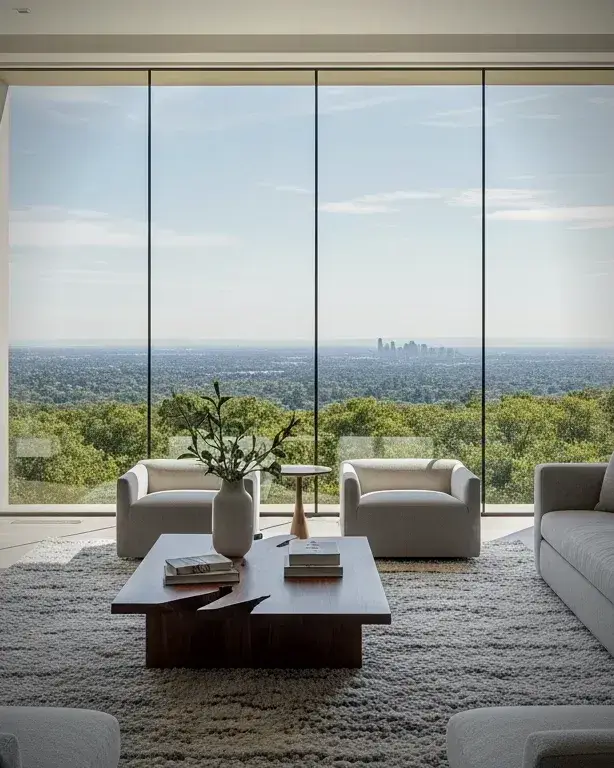
- Applied to
- Interior glass surfaceExterior films exist for special cases
- UV
- Up to 99%Per manufacturer data sheet
- Heat rejection
- Product-dependent
- View
- Clear to tintedSamples shown on your glass
What it is
Heat, glare and UV control.
Sun through unprotected glass makes hot spots, fades floors and furniture, and loads the air conditioning. Solar control film rejects part of the sun's energy at the window, so the room behind it stays more even through the day.
Modern films range from nearly clear to tinted. The right one depends on which way the glass faces, the type of glass, and how much you care about keeping the outside look unchanged.
What it does
At the glass
- Heat
- Rejects part of the solar heat that comes through the glass. The amount depends on the film; we show you the data sheet figure for the product we recommend.
- Glare
- Takes the edge off low sun on screens and TVs without closing the blinds.
- UV
- Most architectural films block up to 99% of UV per manufacturer data sheets, a major cause of fading.
- Look
- From optically clear to lightly tinted or low-reflective. No mirrored look unless you want one.
Where it goes
Typical openings
West and south-facing living rooms
Skylights and sunrooms
Condo suites with floor-to-ceiling glass
Perimeter offices with screen glare
Storefront displays that fade
FAQ
Solar film questions
Will solar film void my window warranty?
Some window makers have conditions on applied films, so it is worth checking. Tell us the brand of your windows and we will check the manufacturer's position before we install.
Can I still see clearly through solar window film?
Yes. Solar control film runs from optically clear to lightly tinted depending on the product. It cuts heat and glare without the dark, mirrored look people remember from older tint.
How much will it lower my cooling costs?
It depends on the film, the glass, which way the windows face and how the building is used. Rooms with strong sun usually feel the biggest difference. We do not promise a percentage on the bill.
Read more
Guides on solar film
How Window Film Reduces Energy Bills in GTA Homes
How solar and low-e window film affect heating and cooling, how to read SHGC and U-value, and why nobody should promise a fixed saving.
Why UV Protection Window Film Matters in Canada
UV comes through ordinary window glass all year, and fades floors, fabrics and art. How UV-blocking window film helps, and how to read the data sheet.
Anti-Glare Window Film: Cut Screen and TV Glare
Harsh afternoon sun makes screens unreadable and rooms uncomfortable. Anti-glare film tames bright light while keeping your view.
How Window Film Protects Furniture, Flooring, and Art from Fading
Why floors, furniture and art fade near windows, how window film slows it by blocking most UV, and why no film stops fading completely.
Ceramic vs. Dyed vs. Metalized Film: Which Is Right for You?
Dyed, metallised and ceramic solar films are built differently. How each handles heat, glare, appearance and signals, and how to compare them.
Ontario Window Tint Laws: Vehicle vs. Home and Office Glass
Car tint rules do not apply to house and office glass. What actually governs film on buildings: condo rules, leases, sign by-laws and project specs.
Where
Where we install solar film
Installed on site in 21 cities. Pick yours for local notes.
Next step
Get a free solar film quote.
We measure on site, check the glass and show samples on your own windows. Call, or send a few photos and we will come back to you.